How Thermoset Plastics Are Shaping the Aerospace Industry
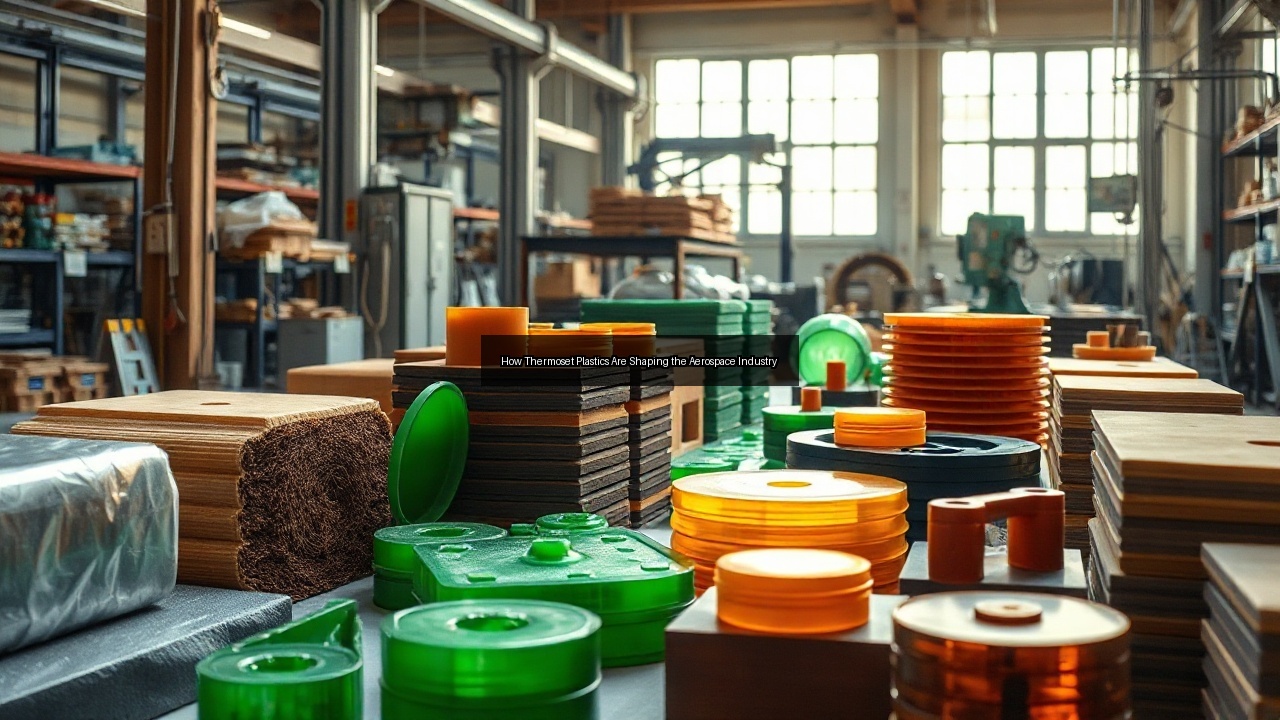
The Role of Thermoset Plastics in Aerospace Manufacturing
Advantages of Thermoset Plastics Over Thermoplastics
Thermoset plastics play a pivotal role in aerospace manufacturing due to their superior properties compared to thermoplastics. Thermosets, once cured, become rigid and maintain their shape under extreme heat and stress, making them ideal for critical aerospace components. Unlike thermoplastics, which can be re-melted and reshaped, thermoset plastics undergo a chemical change during the curing process that provides exceptional dimensional stability. This characteristic is crucial in aerospace applications where precision is non-negotiable. Additionally, thermosets exhibit excellent chemical resistance, which is vital in environments where exposure to fuels, oils, and other harsh chemicals occurs. The durability and longevity of thermoset materials contribute significantly to the overall performance and safety of aircraft.
Key Properties: Heat Resistance and Impact Resistance
Heat resistance and impact resistance are two key properties that set thermoset plastics apart in the aerospace industry. These materials can withstand high temperatures without deforming, making them suitable for engine components and other areas that experience extreme heat. For instance, thermoset polymers like epoxy resins offer impressive thermal stability, allowing them to function reliably in demanding environments. Furthermore, thermoset plastics boast high impact resistance, which is essential for protecting sensitive components from vibrations and shocks during flight. This resilience ensures that thermoset components can endure the rigorous conditions associated with aerospace applications, enhancing the safety and reliability of aircraft.
The Curing Process: From Fabrication to Final Product
The curing process is a defining feature of thermoset plastics that influences their fabrication and final performance. Unlike thermoplastics, which can be easily molded, thermoset plastics require a chemical reaction to harden. This curing process often involves heat or the addition of a curing agent, initiating cross-linking between polymer chains. This transformation creates a three-dimensional network that imparts strength and stability to the material. Manufacturers utilize various techniques, such as compression molding and resin transfer molding, to ensure precise and efficient fabrication of thermoset components. The result is a robust final product that meets the stringent standards of the aerospace industry, where quality control is paramount.
Innovations and Applications in Aerospace Engineering
Composite Materials: Combining Thermosets with Other Plastics
Composite materials that incorporate thermoset plastics have revolutionized aerospace engineering by enhancing performance and reducing weight. By combining thermosets with materials like carbon fiber or glass fiber, manufacturers create composites that capitalize on the strengths of each component. These thermoset plastic composites exhibit exceptional strength-to-weight ratios, making them ideal for structural applications in aircraft. Moreover, the versatility of thermoset composites allows for tailored properties, such as improved fatigue resistance and enhanced thermal stability. This innovation not only leads to lighter aircraft but also offers greater fuel efficiency, further contributing to the sustainability goals of the aerospace sector.
Electrical Insulation: Ensuring Safety in Aircraft Systems
Electrical insulation is another vital application of thermoset plastics in aerospace systems. With the increasing complexity of aircraft electronics, ensuring reliable insulation becomes paramount. Thermoset plastics, such as epoxy resins, provide excellent electrical insulating properties, safeguarding sensitive components from electrical interference and short circuits. The inherent chemical stability of thermosets also contributes to their effectiveness in hazardous environments. Manufacturers utilize these materials in various applications, from wiring harnesses to circuit boards, ensuring the safety and reliability of aircraft systems. The use of thermoset plastics in electrical insulation not only enhances performance but also aligns with industry standards for safety.
Routing and Structural Applications in Aircraft Design
Routing and structural applications benefit significantly from the unique properties of thermoset plastics. These materials are increasingly used in the design of aircraft components, including brackets, panels, and other structural elements. The high strength-to-weight ratio of thermoset composites allows engineers to create lightweight yet strong components that contribute to overall aircraft efficiency. Moreover, thermoset plastics can be precisely molded into complex shapes, facilitating innovative designs that enhance aerodynamics. As the aerospace industry continues to evolve, the application of thermosets in routing and structural design will play a crucial role in developing the next generation of aircraft.
Sustainability and Cost Efficiency in Aerospace
Life Cycle Analysis of Thermoset Plastics
Conducting a life cycle analysis (LCA) of thermoset plastics reveals their potential for promoting sustainability in aerospace. The LCA evaluates the environmental impact of thermosets from raw material extraction to disposal. Although thermoset plastics are derived from petrochemical sources, advancements in recycling technologies are enhancing their sustainability profile. Manufacturers increasingly focus on minimizing waste during production and developing methods to recycle thermoset composites. As the aerospace industry strives for greener practices, understanding and improving the life cycle of thermoset plastics becomes essential for ensuring sustainability while meeting performance demands.
Comparative Costs: Thermosets vs. Traditional Materials
The comparative costs of thermoset plastics versus traditional materials present a compelling case for their adoption in aerospace manufacturing. While the initial investment in thermoset materials may be higher than conventional options like aluminum or steel, the long-term benefits often outweigh these costs. Thermosets contribute to weight savings, which translates to lower fuel consumption and operational costs over an aircraft's lifespan. Furthermore, the durability and longevity of thermoset components reduce maintenance expenses, making them a cost-effective choice in the long run. As aerospace companies seek to optimize budgets while maintaining quality, thermoset plastics emerge as a financially viable alternative.
Sustainable Practices in Manufacturing and Recycling
Sustainable practices in manufacturing and recycling thermoset plastics are gaining traction within the aerospace sector. Manufacturers invest in innovative processing techniques that minimize energy consumption and waste production. Additionally, the development of bio-based thermoset materials offers a pathway to reduce the carbon footprint associated with traditional petrochemical-based options. Recycling thermoset composites poses challenges due to their cross-linked structure; however, emerging technologies, such as chemical recycling, present new opportunities. These sustainable practices not only align with environmental goals but also enhance the public image of aerospace companies committed to sustainability.
Future Trends and Challenges in the Aerospace Sector
Emerging Technologies in Thermoset Fabrication
Emerging technologies in thermoset fabrication will shape the future of the aerospace sector. Innovations such as 3D printing with thermoset materials enable rapid prototyping and production of complex components. This technology streamlines the manufacturing process, allowing for customization and reducing lead times. Additionally, advancements in automation and robotics enhance precision and efficiency, further optimizing the fabrication of thermoset plastics. As manufacturers embrace these technologies, they will likely see improved performance and lower costs, positioning thermoset plastics at the forefront of aerospace innovation.
Impact of European Regulations on Thermoset Usage
European regulations significantly impact the usage of thermoset plastics in aerospace applications. Stringent environmental and safety standards drive manufacturers to adopt sustainable practices and materials. Compliance with these regulations often necessitates the development of new formulations and processes, pushing the industry toward innovation. As European markets prioritize eco-friendly solutions, thermosets that meet these standards will gain a competitive edge. This regulatory landscape encourages research and development, ensuring that thermoset plastics continue to evolve thermoset plastic component in response to market demands.
Potential Applications in the Automotive Industry and Beyond
The potential applications of thermoset plastics extend beyond aerospace into the automotive industry and other sectors. As vehicles increasingly incorporate advanced materials to enhance performance, thermosets offer opportunities for lightweight components that improve fuel efficiency. The automotive industry’s shift towards electric vehicles also highlights the need for durable, heat-resistant materials that can withstand the demands of modern technology. Furthermore, the construction and healthcare sectors are beginning to explore the benefits of thermoset plastics for applications requiring strength and chemical resistance. As industries recognize the advantages of thermosets, their adoption will likely continue to grow across diverse fields.
See Also
- Thermoset Plastic Composites A Game Changer for the Manufacturing Industry
- Navigating the Advantages of Thermoset Plastics in Consumer Products
- Thermoset Polymers and Their Impact on Environmental Sustainability
- Thermoset Plastic in Healthcare Innovations for a Sustainable Future
- Thermoset Plastics Revolutionizing the Automotive Supply Chain