Thermoset Injection Molding Unveiling Techniques for Enhanced Performance
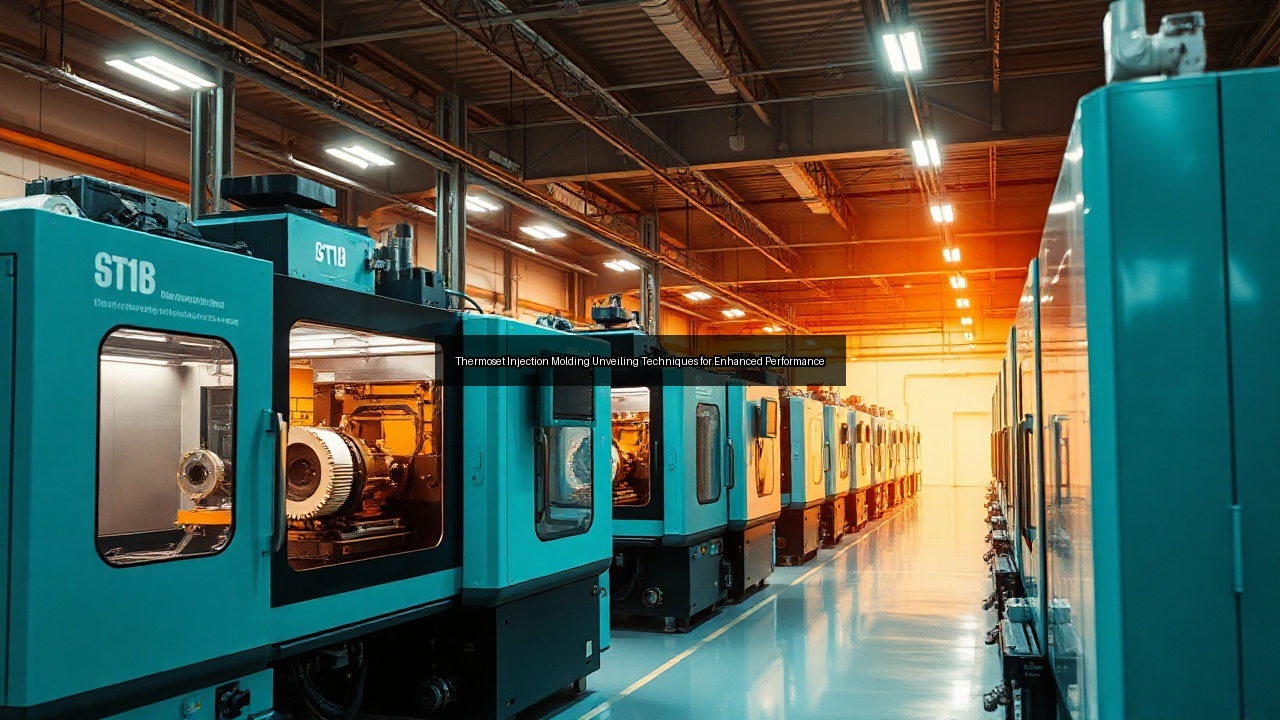
Understanding Thermoset Injection Molding
What are Thermosets?
Thermosets are a class of polymers that undergo a chemical change when heated, creating a rigid and infusible structure. Unlike thermoplastics, which can be remelted and reshaped, thermoset materials retain their shape and strength after the initial molding process. Common examples of thermosets include epoxy resins, phenolic resins, and polyurethanes, all of which exhibit exceptional thermal stability and mechanical strength. The cross-linking of polymer chains during the curing process results in a network of bonds that enhances the material's durability and resistance to chemicals and heat. This unique property makes thermosets ideal for demanding applications, such as automotive components and electrical insulators, where reliability is critical.
The Role of Thermoplastic Materials in Injection Molding
Thermoplastic materials play a vital role in the injection molding process, serving as the foundation for creating a wide variety of plastic products. These materials can be repeatedly melted and molded, allowing for greater flexibility in design and production. Common thermoplastic materials used in injection molding include acrylonitrile butadiene styrene (ABS), polypropylene, and polystyrene. While thermoplastics provide advantages in terms of recyclability and ease of processing, they differ significantly from thermosets, particularly concerning their thermal and mechanical properties. The injection molding of thermoplastic materials typically results in lighter, more impact-resistant products, but it lacks the heat resistance and structural integrity found in thermoset injection molded products.
Comparison: Thermosets vs. Thermoplastics
The primary distinction between thermosets and thermoplastics lies in their molecular structure and behavior under heat. Thermosets, once cured, cannot be remelted, making them stable and suited for high-temperature applications. In contrast, thermoplastics can be reheated and reprocessed, offering versatility in manufacturing and allowing for easy recycling. This characteristic leads to differences in performance; thermosets excel in strength and thermal resistance, while thermoplastics provide better impact resistance and flexibility. Additionally, thermoset injection molding often requires longer cycle times than thermoplastic injection molding due to the curing process. Each material serves specific industrial needs, making understanding these differences crucial for manufacturers when choosing injection molding materials.
Techniques for Enhanced Performance in Thermoset Injection Molding
Optimizing the Injection Molding Process
Optimizing the injection molding process for thermosets significantly enhances performance and product quality. This optimization involves carefully controlling the temperature, pressure, and timing during the injection phase. Precision is critical; too high a temperature can lead to premature curing or degradation of the thermoset material, while too low a temperature may result in incomplete filling of the mold. Advanced injection molding machines equipped with precise temperature controls ensure consistent quality and minimize defects in the final products. Additionally, implementing simulation software can help manufacturers visualize injection molding thermosets and refine the injection molding process, allowing for adjustments that lead to improved flow patterns and reduced cycle times. By effectively optimizing these parameters, manufacturers can achieve higher efficiency and better-quality injection-molded thermoset products.
Innovations in Thermoset Materials
Recent innovations in thermoset materials have paved injection molding thermosets the way for enhanced performance in injection molding applications. New formulations of thermosets incorporate various fillers and additives that improve properties such as strength, flexibility, and resistance to chemicals. These advancements enable the production of lightweight yet robust components suitable for industries ranging from aerospace to electronics. Research into bio-based thermosets has also gained traction, offering more sustainable options without compromising performance. Furthermore, the development of thermoset polymers with enhanced recyclability positions manufacturers to meet growing environmental standards. By leveraging these innovative materials, companies can produce injection-molded products that meet the evolving demands of various industries while adhering to sustainability goals.
Utilizing Piston Technology for Efficiency
Piston technology plays an essential role in enhancing the efficiency of thermoset injection molding processes. By employing hydraulic or electric piston systems, manufacturers achieve better control over the injection speed and pressure, resulting in improved fill rates and reduced cycle times. This enhanced precision minimizes waste and optimizes material usage, contributing to cost efficiency. Moreover, piston-driven systems allow for rapid adjustments during the injection process, accommodating different thermoset formulations without extensive downtime. These advancements lead to more efficient production runs, enabling manufacturers to respond quickly to market demands while maintaining the quality of injection-molded thermoset products. As the industry evolves, integrating piston technology will become increasingly vital in achieving optimal performance in thermoset injection molding.
Applications and Benefits of Thermoset Injection Molded Products
Industries Utilizing Thermoset Materials
Thermoset materials find applications across a diverse range of industries due to their superior properties. The automotive industry extensively uses thermosets for components that require high thermal stability and durability, such as engine parts, electrical injection molding thermosets housings, and interior trims. In the aerospace sector, thermosets contribute to lightweight structures that withstand extreme conditions. The electronics industry relies on thermoset materials for circuit boards and insulators, benefiting from their electrical insulating properties. Additionally, thermosets play a significant role in the construction industry, where they are used for adhesives, coatings, and various structural applications. The versatility of thermoset injection-molded products makes them indispensable in modern manufacturing, meeting the specific requirements of various sectors.
The Importance of ISO 13485 Compliance
ISO 13485 compliance plays a crucial role in ensuring the quality and safety of medical devices and components produced through thermoset injection molding. This international standard outlines the requirements for a quality management system specific to the medical device industry. Adhering to ISO 13485 guarantees that manufacturers implement rigorous quality control processes throughout production, from material selection to final inspection. For thermoset materials used in medical applications, this compliance ensures that products meet stringent safety and efficacy standards, reducing the risk of defects and enhancing patient safety. Manufacturers that achieve ISO 13485 certification demonstrate their commitment to quality, gaining trust from clients and stakeholders in the healthcare sector.
Recyclability and Environmental Considerations in Plastics Injection Molding
Recyclability is a growing concern in the plastics injection molding industry, including thermosets. Traditional thermoset materials pose challenges for recycling due to their irreversible curing process. However, recent advancements have introduced recyclable thermoset formulations, allowing for more sustainable practices in manufacturing. These innovations enable manufacturers to reclaim and reprocess materials, reducing waste and minimizing environmental impact. Additionally, implementing sustainable practices in thermoset injection molding involves selecting eco-friendly materials and optimizing production processes to minimize energy consumption. As regulatory pressures increase and consumer awareness of environmental issues grows, the adoption of recyclable thermosets and sustainable practices will become essential for manufacturers aiming to thrive in the competitive market.
See Also
- Innovations in Injection Molding Thermosets for the Aerospace Industry
- Essential Tips for Selecting the Right Thermoset Material for Injection Molding
- Understanding the Differences Between Thermosets and Thermoplastics in Injection Molding
- Recyclability of Thermoset Plastics Challenges and Innovations in Injection Molding
- Why Thermoset Materials Are the Future of Injection Molding