Demystifying the Steel Distribution Process for New Businesses
Understanding the Steel Distribution Landscape
Overview of Steel Distribution
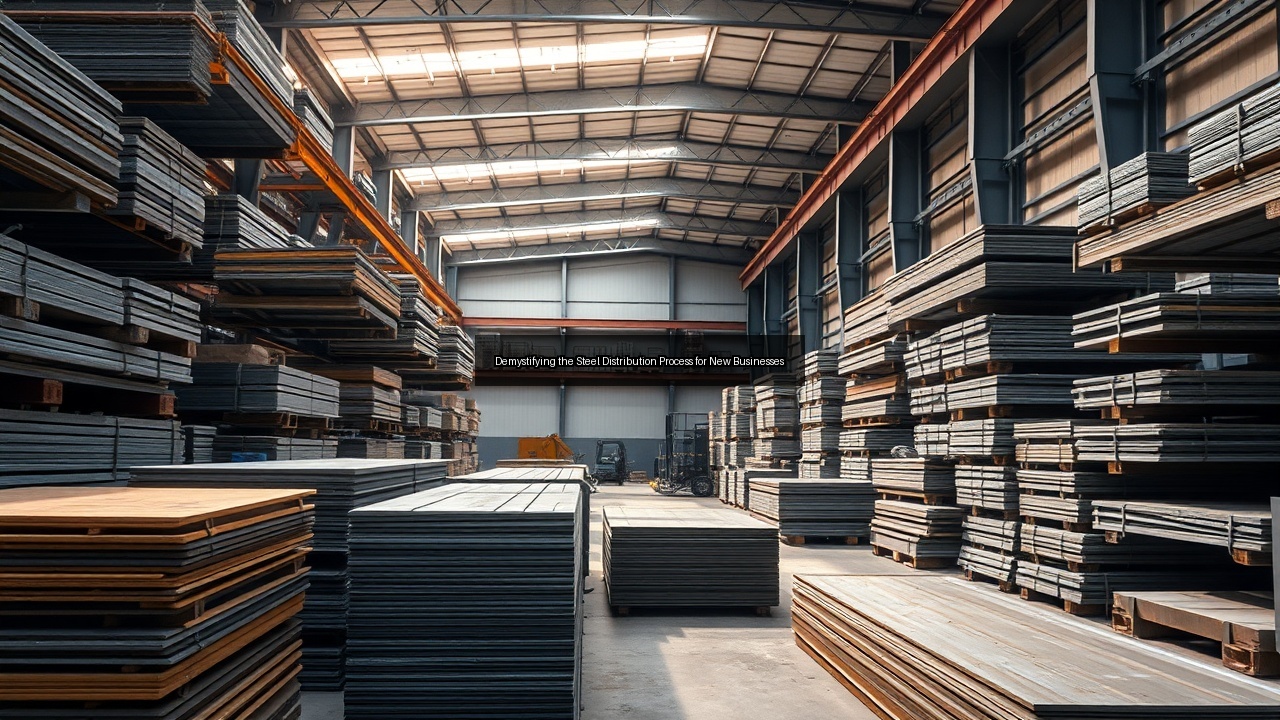
The steel distribution process plays a vital role distributor of steel in the supply chain for various industries, including construction, automotive, and manufacturing. Steel distributors act as intermediaries, facilitating the movement of steel products from manufacturers to end-users. They handle inventory management, logistics, and customer service, ensuring that businesses receive the right materials on time. Distributors often specialize in specific types of steel, providing tailored solutions to meet diverse demands. Understanding this landscape helps new businesses navigate the complexities of sourcing quality steel efficiently and effectively, establishing a strong foundation for their operations.
Types of Steel Distributors
Steel distributors vary significantly in their offerings and services. Some focus on specific markets, such as construction or automotive, while others provide a broader range of products. Distributors can be categorized into three main types: service centers, wholesalers, and retailers. Service centers process steel products, offering cutting, shearing, and other value-added services. Wholesalers usually operate on a larger scale, distributing steel to various industries without direct sales to end-users. Retailers, on the other hand, serve smaller businesses or individual consumers, often providing a more personalized service. Each type of distributor plays a crucial role in ensuring that steel products reach their final destination efficiently.
Key Players in the Steel Supply Chain
Numerous key players contribute to the steel supply chain, from manufacturers to end-users. Steel mills produce raw steel, which then enters the distribution channel. After production, steel distributors handle the crucial task of transporting and managing inventory. Manufacturers of equipment, vehicles, and construction materials rely on these distributors to supply high-quality steel products, such as hot rolled and cold rolled steel. Additionally, logistics companies facilitate the movement of steel between these entities. Understanding the roles of each player in the supply chain allows new businesses to build effective relationships and streamline their procurement processes.
Types of Steel Products Offered by Distributors
Tool Steels and Their Applications
Tool steels represent a specialized category of steel used primarily for manufacturing tools and dies. Known for their hardness and ability to retain shape at elevated temperatures, tool steels are essential in the production of cutting tools, molds, and other precision equipment. Distributors offer a range of tool steels, including high-carbon and low-carbon options, each tailored to specific applications. Industries such as automotive and aerospace heavily rely on tool steels for their durability and performance. Understanding the various types of tool steels available from distributors helps businesses select the right materials to optimize their manufacturing processes.
High Speed Steel: Characteristics and Uses
High speed steel (HSS) is a crucial material for applications that require high performance, particularly in cutting tools. HSS retains its hardness even at high temperatures, making it ideal for machining operations. Common applications of high speed steel include drill bits, saw blades, and milling cutters. Steel distributors typically stock a variety of HSS grades, each designed for specific tasks. The versatility of high speed steel allows manufacturers to achieve superior cutting performance and longer tool life. Understanding the characteristics and uses of HSS equips businesses with the knowledge to make informed decisions when sourcing cutting tools from their steel distributor.
Stainless Steel and Galvanized Options
Stainless steel is renowned for its corrosion resistance and aesthetic appeal, making it a popular choice across multiple industries. Steel distributors often carry a wide range of stainless steel grades, suitable for applications in food processing, medical equipment, and construction. Galvanized steel, coated with a layer of zinc, offers additional protection against corrosion, making it ideal for outdoor use and applications exposed to moisture. Distributors provide both stainless and galvanized options, ensuring businesses have access to materials that meet their specific environmental and functional requirements. Understanding these options allows companies to select the right steel products for their unique applications.
Navigating Pricing and Procurement in Steel Distribution
Factors Influencing Steel Pricing
Steel pricing fluctuates based on various factors, including raw material costs, demand and supply dynamics, and geopolitical events. The price of key inputs such as iron ore and scrap metal significantly impacts the overall cost of steel. Additionally, market demand can cause prices to rise or fall, especially during periods of economic growth or downturn. Transportation costs and tariffs on imported steel also play a role. New businesses must stay informed about these influencing factors to manage their budgets effectively. By understanding the pricing landscape, companies can make strategic decisions regarding their procurement processes.
Understanding Bulk Discounts
Bulk purchasing can lead to significant cost savings for businesses engaged in steel procurement. Many steel distributors offer bulk discounts to encourage larger orders, which can help companies reduce their overall material costs. However, understanding the terms and conditions associated with bulk purchases is crucial. Businesses should assess their inventory needs and forecast demand accurately to take full advantage of these discounts without overextending their resources. Engaging in proactive discussions with distributors about bulk pricing can also lead steel metal distributor to better terms and strengthen supplier relationships.
Strategies for Negotiating with Distributors
Negotiation plays a critical role in establishing favorable terms with steel distributors. New businesses should approach negotiations with clear objectives and a thorough understanding of their needs. Building rapport with distributors can facilitate smoother negotiations and lead to better pricing. Presenting data on competitor pricing or demonstrating loyalty through consistent orders can strengthen a company's position. Additionally, flexibility in order quantities and delivery schedules may provide leverage during negotiations. By employing these strategies, businesses can secure advantageous agreements that align with their operational goals.
Building Relationships with Steel Distributors
Identifying the Right Distributor for Your Business
Choosing the right steel distributor is essential for any new business. Factors to consider include the distributor's product range, delivery capabilities, and industry expertise. A distributor that aligns with the specific needs of your business can significantly enhance operational efficiency. Evaluate potential distributors based on their reputation, customer service, and responsiveness to inquiries. Engaging in discussions with multiple distributors can provide insights into their capabilities and help identify those that best fit your requirements. Establishing a solid partnership with the right distributor sets the stage for long-term success.
The Role of Customer Service in Steel Distribution
Customer service remains a critical aspect of steel distribution. A responsive distributor can provide timely information on inventory availability, pricing, and delivery schedules, which enhances the overall procurement experience. Effective communication between businesses and their distributors ensures that any issues are addressed promptly, minimizing disruptions in the supply chain. Steel distributors committed to exceptional customer service often foster stronger relationships, leading to increased loyalty and repeat business. New companies should prioritize distributors known for their customer-centric approach to benefit from reliable and supportive partnerships.
Long-term Partnerships: Benefits and Best Practices
Establishing long-term partnerships with steel distributors yields numerous advantages. Consistent collaboration can lead to better pricing, priority access to new products, and improved service levels. To cultivate these relationships, businesses should maintain open lines of communication and provide feedback on products and services. Regularly reviewing performance metrics and discussing future needs can strengthen the partnership further. Engaging in joint planning sessions allows both parties to align their goals, ensuring mutual success. distributor of steel By focusing on long-term partnerships, businesses can enhance their supply chain resilience and drive sustainable growth.
See Also
- How Vehicle Manufacturing Relies on Quality Steel Distributors
- Why Stainless Steel Distributors Are Essential for Quality Projects
- The Environmental Impact of Steel Distribution Practices
- What to Expect from Your Steel Distributor in Terms of Customer Service
- Top Factors to Consider When Selecting a Steel Distributor